
WOMEN'S HEALTH TECH REPORT: AI and Your Patients
Ask AI, Then Ask Your Doctor

Patients are already using chatbots and LLMS to understand their pregnancies. Here is how to guide them -- and exactly where the line is.
The Technology
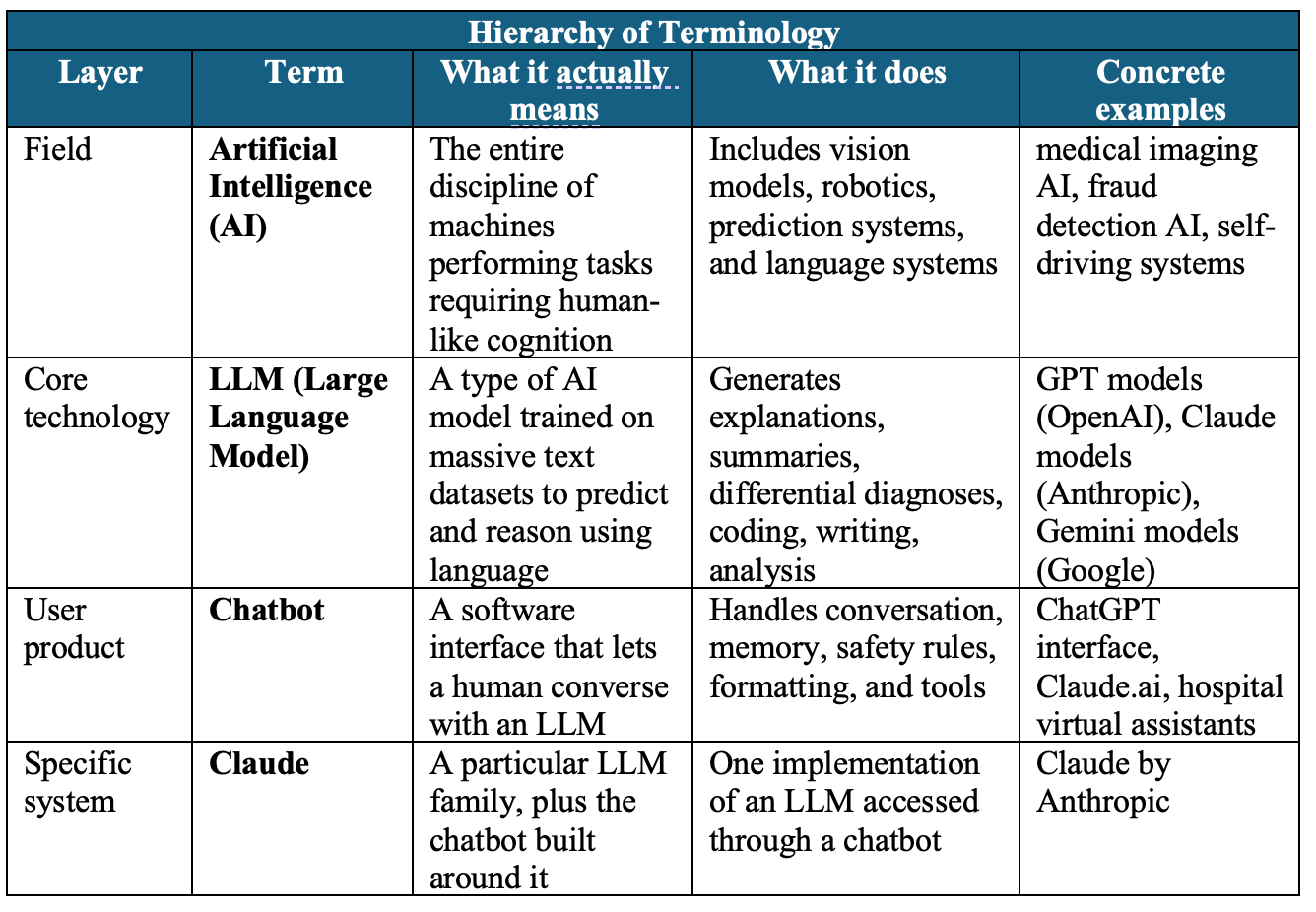
Large language model chatbots are being used by pregnant patients to look up symptoms, interpret lab results, understand ultrasound findings, research medications, and prepare questions for appointments. A 2024 survey found that more than 40% of pregnant respondents had used a chatbot for health information at least once during their pregnancy. [CITATION NEEDED] The number is almost certainly higher among younger patients and will continue to rise. These tools are part of your patients’ prenatal experience whether you have addressed them in your practice or not.
The Clinical Application
Used well, AI chatbots can genuinely improve the prenatal experience for patients who have access to them. The information gap between what pregnant patients want to understand and what clinical visits have time to cover is real and well documented. A 15-minute prenatal appointment cannot answer every question a patient has accumulated in the three weeks since her last visit. Patients who leave appointments with unanswered questions turn to Google, to social media, to parenting forums, and increasingly to AI chatbots. Given those alternatives, a well-used chatbot is not the worst option.
A patient who does not understand why her doctor ordered a glucose tolerance test at 24 weeks can ask an AI to explain it in plain language before her next appointment. A patient who receives a report showing an NT measurement of 2.8mm can ask what that number means, what additional testing might be recommended, and what questions to raise at her next visit. A patient who is confused about why she is being recommended for a repeat cesarean can use an AI to understand the clinical reasoning before she decides whether to ask about alternatives.
This is the use case that works: AI as a tool for preparation and comprehension, helping patients arrive at clinical encounters more informed and better equipped to participate in shared decision-making. That is a good outcome from an imperfect tool.
The Women's Health Report: Safety analysis, the evidence critique, and the verdict are below -- for subscribers who want the full picture.
