
Why Sleep Matters During Pregnancy and Postpartum and What Could Be Done To Improve It
In this study relaxation exercises work best to improve sleep, Yoga came in second, followed by Pilates. Traditional cardio and strength training ranked lowest for sleep benefits.

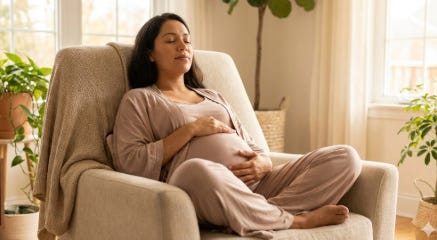
Sleep is one of the first casualties of pregnancy. Between the nausea, the backaches, the bathroom trips, and the anxiety about what’s coming, most women find restful sleep hard to come by. And it doesn’t get easier after delivery—newborns don’t care about your sleep schedule. But here’s the problem: this is exactly when good sleep matters most.
Poor sleep during pregnancy is linked to higher rates of gestational diabetes, high blood pressure, and preterm birth. It also increases the risk of postpartum depression, which affects roughly 1 in 7 new mothers.
For the baby, maternal sleep deprivation can affect fetal development and birth weight. Beyond the medical risks, exhausted mothers struggle to function—making decisions feels harder, emotions run higher, and the joy of new parenthood gets buried under fatigue. The cruel irony is that the perinatal period (pregnancy through the first year after birth) demands more from women’s bodies and minds than almost any other time in life, yet sleep becomes increasingly elusive. This is why finding safe, effective ways to improve sleep—without medications that could affect the baby—has become a research priority.
The Sleep Study
