
When the Ultrasound Shows Something Unexpected: 10 Rare Conditions Found Before Birth
Catherine O’Hara lived 71 years with her heart on the wrong side. She was in excellent company.

When the beloved actress Catherine O’Hara found out her heart was on the right side of her chest instead of the left, her husband’s response was perfect: “No, her head’s on backwards.” She didn’t discover the condition until a routine doctor’s visit in her 40s. It never caused her a single health problem.
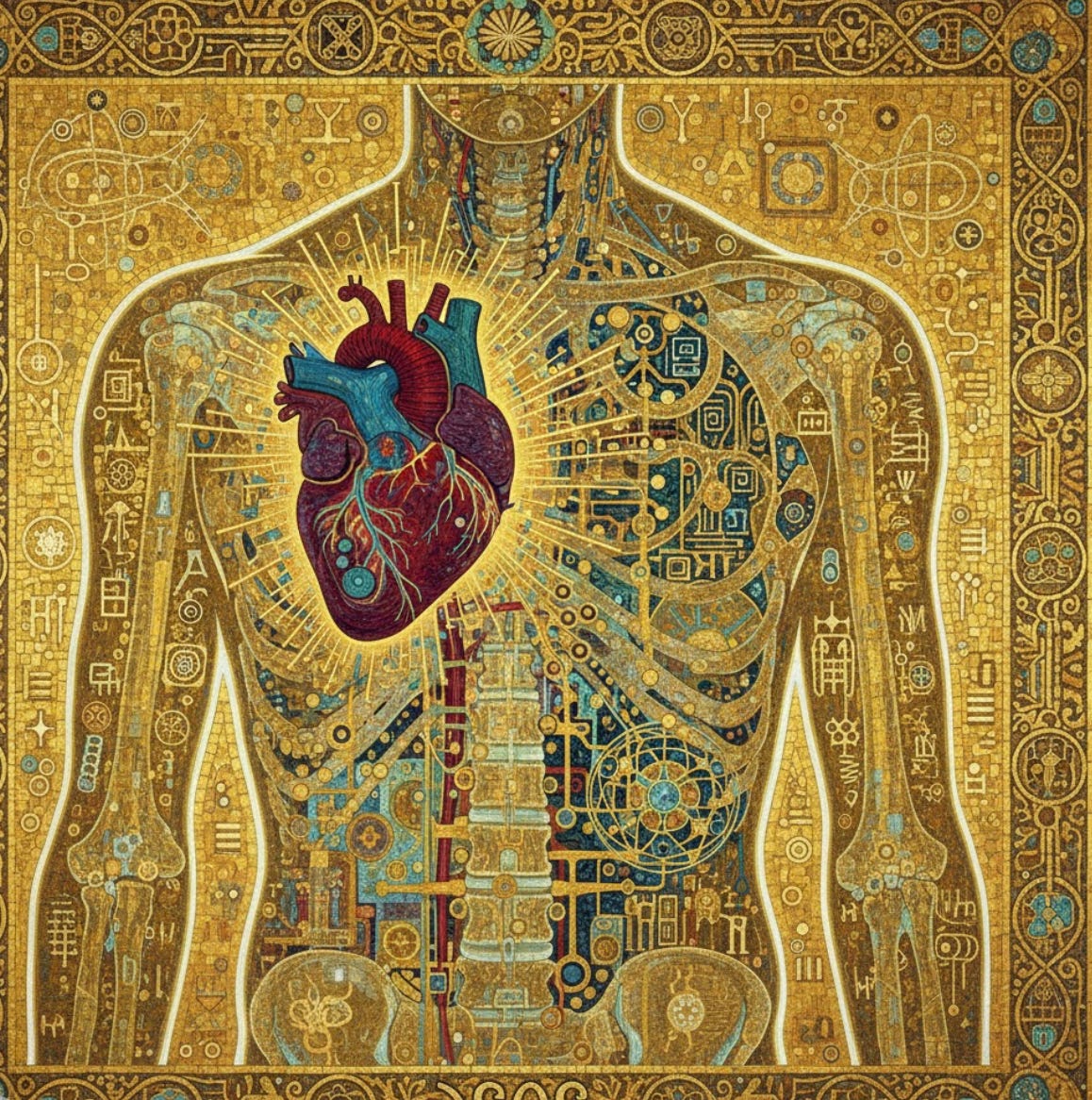
O’Hara had dextrocardia with situs inversus, a condition where all the internal organs are flipped like a mirror image. NBA player Randy Foye played professional basketball for a decade with the same condition, his heart beating on the right while he drained three-pointers. Singer Enrique Iglesias has it too. None of them needed treatment. All of them lived completely normal lives.
Today, we can spot dextrocardia and many other rare conditions on ultrasound long before a baby is born. Some of these findings are harmless curiosities. Others are serious and need careful planning. And a few, unfortunately, are conditions that cannot be fixed.
This article walks through 10 of the most unusual things an ultrasound can reveal. Some are strange. Some are challenging. All of them are real, and all of them deserve honest information rather than fear.
1. Dextrocardia (Heart on the Wrong Side)
How common: About 1 in 10,000 babies.
When the heart points to the right instead of the left, that’s dextrocardia. If all the other organs are also flipped (situs inversus totalis), and the heart itself is structurally normal, this is usually completely harmless. Most people never even know they have it until an X-ray or ultrasound reveals the surprise.
What happens next: A detailed fetal echocardiogram checks whether the heart’s internal structure is normal. If it is, no treatment is needed. These babies grow up to be NBA players, pop stars, and comedy legends. Life expectancy is completely normal.
The main practical concern is making sure it’s documented in medical records. If someone with situs inversus develops appendicitis, for example, the pain shows up on the left side instead of the right, which can confuse doctors who don’t know about the condition (1).
Become a member and read on…..
Keep reading with a 7-day free trial
Subscribe to ObGyn Intelligence: The Evidence of Women’s Health to keep reading this post and get 7 days of free access to the full post archives.