
When Night Becomes the Enemy: How Artificial Light May Shape Pregnancy Outcomes
A new study linking nighttime light exposure to cardiovascular disease raises urgent questions for obstetrics.

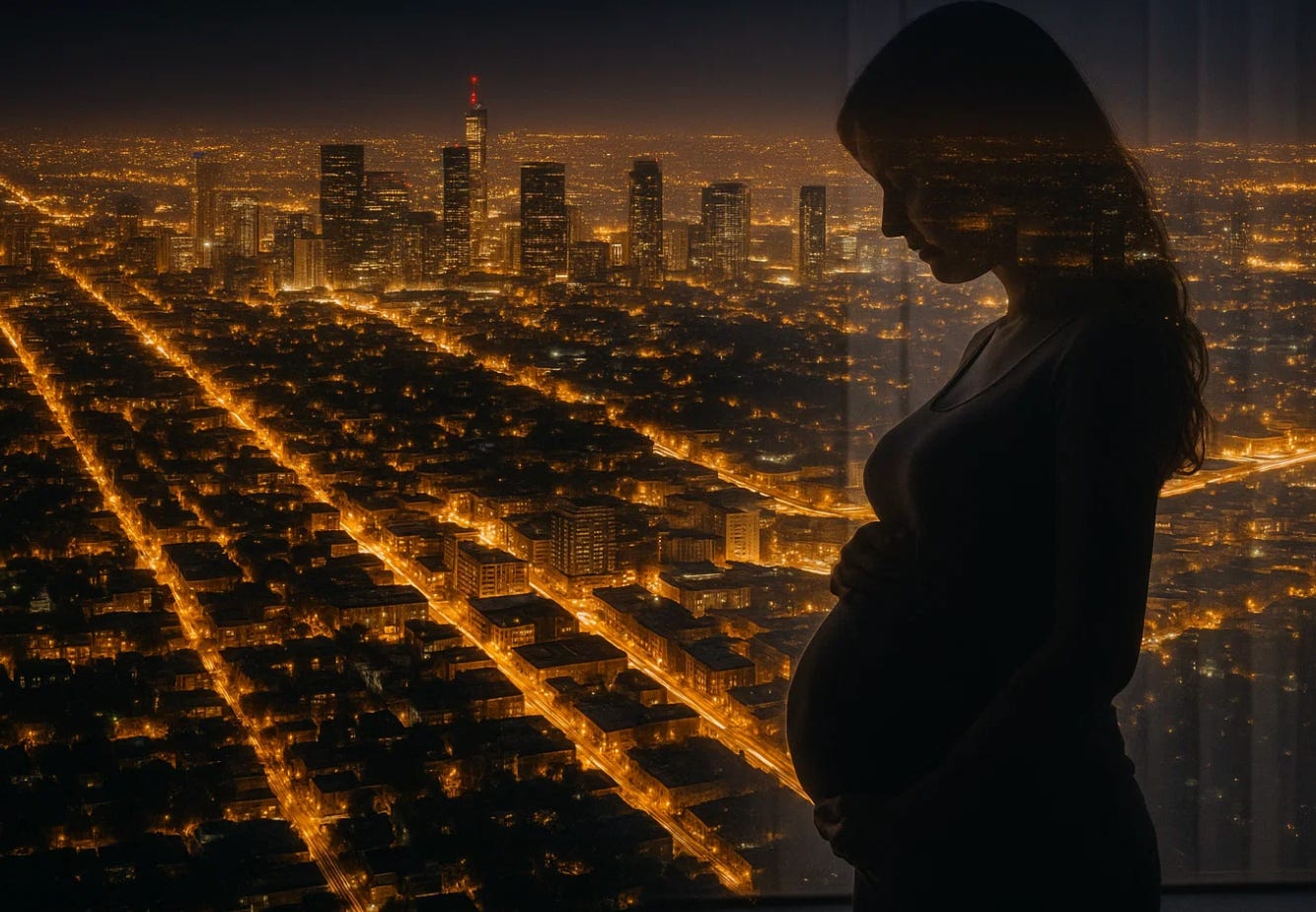
The Light We Don’t See
A 2025 JAMA study by Windred and colleagues found that exposure to outdoor light at night was significantly associated with higher rates of cardiovascular disease, even after adjusting for traditional risk factors such as age, obesity, smoking, and socioeconomic status. Using satellite data on nighttime illumination across tens of thousands of participants, the researchers showed that those living in the brightest areas faced a 7–15% higher incidence of cardiovascular events compared with those in the darkest environments. The effect was dose-dependent and persisted after excluding shift workers or people with pre-existing conditions.
In short, light pollution was acting like a silent cardiovascular toxin.
Light as a Biological Disruptor in Pregnancy?
What this means for pregnancy should make us pause. The maternal cardiovascular system undergoes profound adaptation to sustain fetal growth, and even small disruptions in circadian regulation can have measurable effects on blood pressure, metabolism, and placental perfusion.
Artificial light at night (ALAN) suppresses melatonin secretion, increases sympathetic tone, and alters glucose homeostasis, all pathways implicated in preeclampsia, gestational hypertension, and fetal growth restriction.
In animal models, chronic low-level light exposure during pregnancy leads to impaired placental vascular development and offspring with long-term metabolic changes. Observational studies in humans already hint that women living in brightly lit urban areas experience higher risks of preterm birth and gestational diabetes, though confounding remains a challenge. The new cardiovascular findings strengthen the biological plausibility that light pollution could influence pregnancy outcomes through systemic vascular stress.
The Ubiquity of Exposure
Unlike traditional toxins, artificial light is nearly universal and largely invisible to policy. In urban settings, pregnant women may face continuous low-level exposure from streetlights, illuminated signs, and screens. Hospitals themselves often maintain near-constant lighting in maternity wards and neonatal units. What was once a marker of progress has become an unrecognized environmental exposure.
If ALAN (Artificial light at night ) is indeed a modifiable cardiovascular risk factor, its control during pregnancy could represent a new frontier of preventive care.
Dimmed environments for sleep, blackout curtains, reduced screen time before bed, and circadian-friendly hospital lighting are low-cost interventions with potential benefit and minimal downside. Obstetric research has yet to systematically test these measures, but the hypothesis is increasingly hard to ignore.
Lessons from Cardiovascular Medicine
The Windred study reframes light pollution not merely as an ecological issue but as a population-level cardiovascular determinant.
In pregnancy, where vascular function is already stressed, the stakes may be even higher. Continuous circadian disruption can contribute to endothelial dysfunction and oxidative stress, both central to preeclampsia pathophysiology. Pregnant women with obesity, hypertension, or diabetes could be particularly susceptible, compounding disparities in urban areas with the highest ambient light exposure.
A Call for Perinatal Illumination Research
The next logical step is obstetric research that measures nocturnal light exposure objectively—using wearable sensors rather than self-report—and correlates it with maternal blood pressure trajectories, sleep quality, and neonatal outcomes. Trials could evaluate whether melatonin-sparing lighting or “dark periods” in hospital environments improve maternal hemodynamics or neonatal adaptation.
Such studies would bridge environmental health, chronobiology, and perinatology, aligning with the broader shift toward considering environmental and behavioral determinants of pregnancy outcomes.
What Pregnant Women Should Do Now
Pregnant women can take several practical steps to reduce exposure to artificial light at night and protect both their own cardiovascular health and their baby’s developing physiology.
Sleep in a darkened room using blackout curtains or an eye mask to block ambient streetlight.
Avoid bright or blue light from phones, tablets, and televisions for at least one hour before bedtime.
Use dim, warm-colored bedside lighting instead of overhead LEDs. Keep bedroom electronics, especially phones, off or in “night mode.”
If waking at night, avoid turning on bright lights; use a soft red or amber nightlight instead.
During the day, seek natural sunlight exposure to reinforce circadian rhythm alignment.
Women living in brightly lit neighborhoods may also consider installing window films that filter outdoor light.
These simple, low-cost actions can help restore the natural light-dark cycle that supports vascular stability, blood pressure control, and optimal placental function.
Reflection
We once thought the night was harmless if quiet. Yet light itself, the symbol of safety and civilization, may be silently reshaping maternal physiology. If chronic exposure to nighttime illumination elevates cardiovascular risk in the general population, it likely does so in pregnancy too—where vascular reserve is thinner and consequences ripple across generations. The question is not whether light matters, but how much darkness a healthy pregnancy requires.