
When Food Becomes a Drug: The Hidden Addiction Sabotaging Fertility
New evidence shows that ultra-processed foods may trigger addiction-like brain changes—especially in women—and could quietly undermine fertility and pregnancy health.

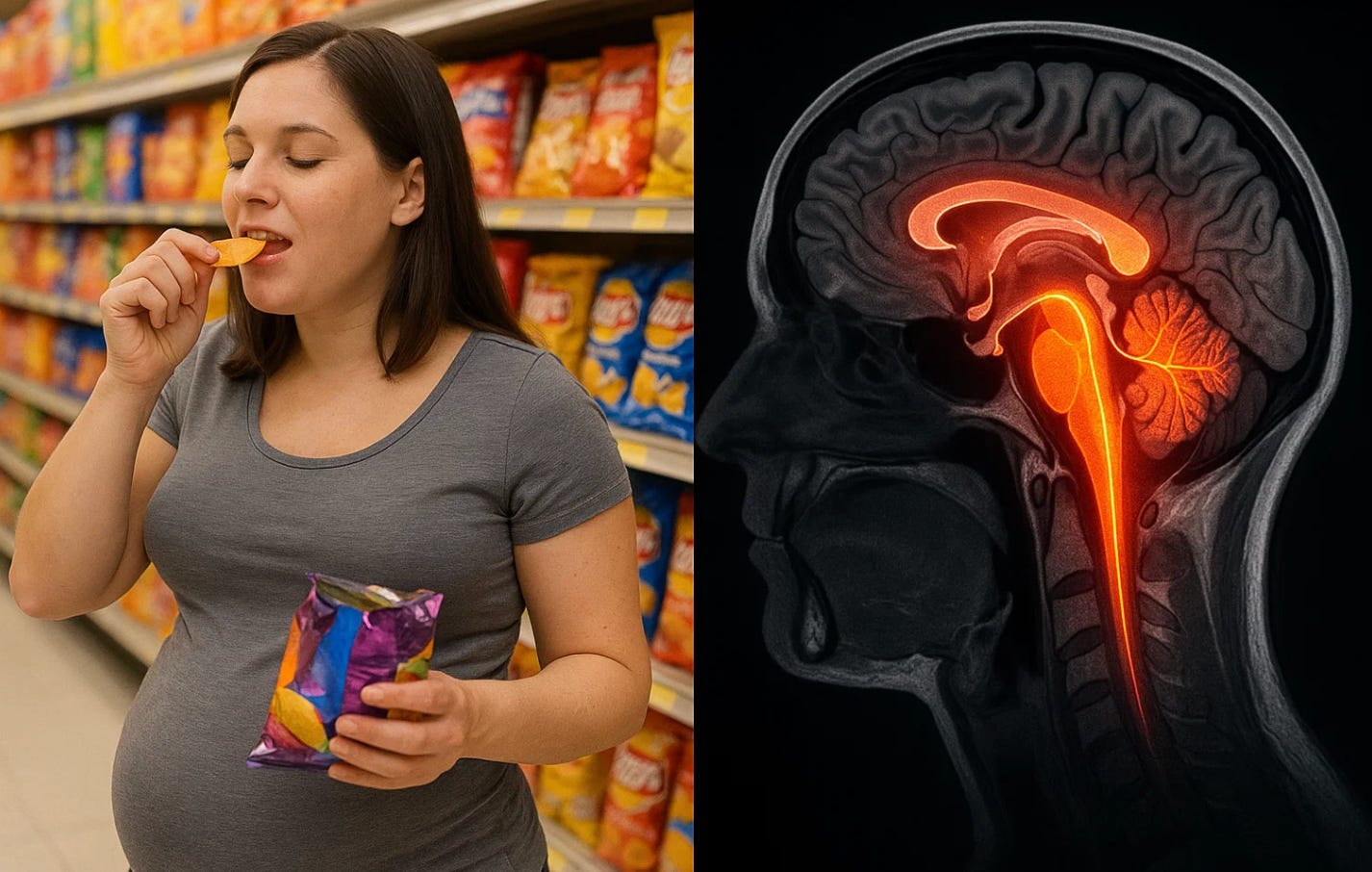
New research reveals that ultra-processed food can trigger addiction-like brain changes, especially in women, threatening fertility and pregnancy. It’s time to treat it like the public health crisis it is.
When a patient tells me she’s “trying to eat better” before getting pregnant, I often ask what that means. She might say she’s cut back on soda or switched from chips to protein bars. But here’s the unsettling truth: both are ultra-processed foods—and growing evidence suggests that these products don’t just fuel obesity. They may act on the brain much like addictive drugs, altering appetite control and hormonal balance in ways that threaten fertility and long-term health.
What Are Ultra-Processed Foods?
Ultra-processed foods (UPFs) are industrially manufactured products containing ingredients that don’t exist in any kitchen pantry—refined starches, added sugars, industrial fats, flavor enhancers, and emulsifiers.
They’re designed for convenience, long shelf life, and “bliss point” pleasure. Think of sodas, flavored yogurts, breakfast cereals, sweetened coffee drinks, chips, energy bars, pizza pockets, chicken nuggets, or “low-fat” diet cookies.
Although they look like food, they behave more like a chemical formula engineered to keep you reaching for more. Research from the University of Michigan, published in Addiction (2025), shows that these products stimulate reward centers in the brain through combinations of refined carbohydrates and fats that mirror the neurochemical effects of nicotine or alcohol.
Here’s a more complete list of typical ultra-processed foods (UPFs) — the kind most associated with addiction-like eating and negative effects on fertility, metabolism, and pregnancy outcomes:
If it comes in a box, bag, or bottle with more than five ingredients—especially ones you wouldn’t cook with at home (maltodextrin, emulsifiers, colorings, hydrogenated oils, or flavorings)—it’s almost certainly ultra-processed.
Sugary and Sweetened Foods
Candy, chocolate bars, gummies
Packaged cookies, pastries, donuts, muffins
Sweetened breakfast cereals (e.g., Froot Loops, Frosted Flakes)
Ice cream and frozen desserts
Protein bars, “energy” bars, and granola bars
Flavored yogurts and pudding cups
Syrups and sweetened spreads (e.g., Nutella, pancake syrup)
Artificially sweetened “diet” desserts
Drinks
Sodas, sports drinks, and energy drinks
Sweetened iced teas and lemonades
Flavored coffee beverages (frappuccino-type drinks)
Powdered drink mixes and meal-replacement shakes
Packaged fruit juices or “juice drinks” (with added sugar)
Flavored waters and sparkling beverages with artificial sweeteners
Savory Snacks
Potato chips, corn chips, cheese puffs
Pretzels and flavored snack mixes
Microwave popcorn with artificial butter
Crackers made with refined flour, vegetable oil, and flavor enhancers
Fast Foods and Ready-to-Eat Meals
Burgers, fried chicken sandwiches, chicken nuggets
French fries and onion rings
Frozen pizzas, burritos, and “TV dinners”
Instant noodles, ramen cups, and boxed mac-and-cheese
Processed lunch meats, hot dogs, sausages, and deli slices
Pre-made wraps or sandwiches from convenience stores
“Diet,” “Low-Fat,” or “High-Protein” Processed Foods
Low-fat cookies, rice cakes, or “100-calorie” snack packs
Artificial sweeteners and sugar-free candies
Meal-replacement shakes or bars
Ready-to-drink protein beverages
Bakery and Breakfast Items
Packaged bagels, waffles, pancakes, and toaster pastries (e.g., Pop-Tarts)
Instant oatmeal packets with flavoring
Flavored coffee creamers
Condiments and Flavor Enhancers
Ketchup, mayonnaise, and salad dressings with added sugar or emulsifiers
Instant sauces, gravies, seasoning packets
Processed cheese spreads and “cheese-flavored” snacks
Margarine and vegetable shortening
Infant and Family Convenience Foods
Sweetened baby yogurts, snack puffs, and fruit purées in pouches
Toddler “meal kits” or shelf-stable pasta dishes
Boxed “kid foods” like mac-and-cheese, nuggets, and sweetened cereals
In short:
If it comes in a box, bag, or bottle with more than five ingredients—especially ones you wouldn’t cook with at home (maltodextrin, emulsifiers, colorings, hydrogenated oils, or flavorings)—it’s almost certainly ultra-processed.
What is and Addiction
An Addiction is a state in which a person becomes physically or psychologically dependent on a substance or behavior, continuing to engage in it despite harm. It is not limited to drugs or alcohol; people can become addicted to food, social media, gambling, shopping, or even work. What defines addiction is not the object itself but the loss of control, craving, tolerance, and withdrawal when it is removed. In all forms, addiction hijacks the brain’s reward system, replacing balance and choice with compulsion and emotional dependence.
Addiction by Design
The term “ultra-processed food addiction” (UPFA) is now being used in serious scientific circles. The 2025 study found that 12.4% of U.S. adults over age 50 met addiction criteria using the Yale Food Addiction Scale—comparable to the national rates of alcohol or tobacco addiction.
Crucially, the highest rate was found in women aged 50–64 (21%), suggesting a lifelong imprint from the diet culture of the 1980s, when tobacco-owned food companies marketed “low-fat” but sugar-laden snacks to women under the guise of health and slimness. These companies pioneered the same strategies once used to sell cigarettes: hyper-palatable ingredients, colorful packaging, emotional advertising, and social normalization of consumption.
This is not a metaphorical addiction. People report intense cravings, loss of control, withdrawal, and continued use despite harm—just as in substance use disorders. The combination of refined carbohydrates and fats hijacks the brain’s dopamine system, creating a “reward loop” that overrides hunger and satiety cues.
Why This Matters for Women Trying to Conceive
For women planning pregnancy, this is not just a nutrition issue—it’s a fertility issue. Studies link high UPF intake with:
Insulin resistance and inflammation, which disrupt ovulation and embryo implantation
Altered gut microbiome, affecting hormone metabolism and nutrient absorption
Increased oxidative stress, impairing egg quality
Higher rates of obesity and gestational diabetes, both major causes of infertility and pregnancy complications
Even before conception, a diet dominated by UPFs can shift hormone signaling and reduce oocyte quality. During pregnancy, it can contribute to excessive gestational weight gain, gestational diabetes, and altered fetal programming—raising the baby’s lifetime risk of obesity and metabolic disease.
UPFs are calorie-rich but nutrient-poor. They flood the bloodstream with glucose and lipids, triggering repeated insulin spikes that destabilize hormonal balance. Over time, the same reward-seeking circuitry that drives overeating can blunt motivation to prepare wholesome meals, further reinforcing the cycle.
Why This Matters for Pregnant Women
During pregnancy, the effects of ultra-processed foods go beyond the mother’s metabolism—they extend to the developing baby. The placenta, which acts as the baby’s lifeline, is highly sensitive to changes in blood sugar, lipids, and inflammatory markers. Diets high in UPFs can lead to abnormal placental growth and impaired nutrient transport, which may increase the risk of fetal overgrowth or restricted growth depending on how the mother’s body responds. The same metabolic shifts that make these foods addictive can also alter hormone levels such as insulin, leptin, and cortisol, influencing how the baby’s metabolism is “set” for the future.
UPFs also displace essential nutrients critical in early pregnancy, including folate, iron, iodine, and omega-3 fatty acids, which are needed for neural tube formation and brain development. Many women who eat a diet dominated by processed foods appear well-nourished by calorie count but are, in fact, micronutrient deficient. This mismatch—too much energy but too few nutrients—creates a form of hidden malnutrition that can silently affect fetal growth and neurodevelopment.
Finally, pregnancy itself heightens sensitivity to addictive foods. Fluctuating hormones, emotional stress, and fatigue can amplify cravings for quick, sweet, or salty items. Understanding that these cravings are biologically reinforced, not simply a lack of willpower, helps reframe prenatal nutrition as both a medical and psychological challenge. Reducing UPFs is therefore not about perfection or dieting—it’s about protecting the shared physiology between mother and baby from an environment engineered to exploit human biology.
A New Clinical Language: Addiction, Not Weakness
Labeling this behavior “addiction” may seem strong—but it’s scientifically and ethically important. Calling it lack of willpower ignores the neurobiology. Women who struggle to stop eating chips, sweets, or fast food are not failing morally; they are facing a biologically conditioned compulsion.
Recognizing UPF addiction reframes the problem from shame to science. It also creates accountability for the food industry, which has long engineered these products for maximal “craveability.” The 2025 Addiction study confirms that people with UPF addiction have 2–4 times higher rates of poor physical and mental health and are three times more likely to feel socially isolated. Food addiction is therefore not just dietary—it’s psychological and social.
Fertility, Mood, and Metabolism: The Triple Intersection
Many women trying to conceive are also coping with anxiety or depression, conditions closely tied to UPF consumption. Emotional eating, mood swings, and body dissatisfaction are often intertwined. UPFs temporarily soothe distress but intensify guilt and fatigue afterward, perpetuating both mental health and metabolic imbalance.
Emerging evidence suggests that inflammation triggered by UPFs can influence serotonin pathways, making depression and infertility share a biological root. In other words, the same food environment that fuels obesity may also fuel despair and subfertility.
The New Preconception Counseling Imperative
Preconception visits must expand beyond folic acid and BMI checks. Clinicians should screen for UPF consumption patterns—soda, processed snacks, fast food frequency—and discuss food addiction openly, just as we counsel about alcohol or nicotine.
Practical steps include:
Name the problem: Explain that “food addiction” is a real, studied condition.
Spot the triggers: Encourage patients to read ingredient lists for “refined starch,” “hydrogenated oil,” or “flavoring.”
Gradual withdrawal: Replace one UPF per day with a whole-food equivalent.
Mind-gut reconnection: Mindful eating, regular meals, and gut-supporting foods (fiber, fermented items) can help reset appetite cues.
Emotional support: Referral to nutrition counseling or therapy if cravings or guilt dominate eating behavior.
For those with PCOS, obesity, or irregular cycles, targeting UPF reduction may be more effective for restoring fertility than aggressive weight loss programs alone.
The Ethical Dimension: Industry Accountability
The moral question isn’t just “Why can’t patients stop eating junk food?” but “Why were these products allowed to be designed to override self-control?” When tobacco companies entered the food market in the 1970s, they transferred decades of addiction science into snack engineering. Today, the legacy persists—only now the addiction is legal, ubiquitous, and socially normalized.
For women, this is particularly insidious. Many diet-branded UPFs were marketed as empowering and feminine—“guilt-free,” “light,” “lean cuisine.” Yet they delivered sugar highs and metabolic crashes that mimicked emotional dependence. This false promise of control may have deepened both physiological and psychological vulnerability.
My Take
Ultra-processed food addiction is not fringe science. It’s a public health crisis hiding in plain sight. For women preparing for pregnancy, it may be the single most modifiable determinant of reproductive and mental well-being.
We need obstetricians, reproductive endocrinologists, and dietitians to treat UPF addiction as seriously as any substance use disorder. Preconception and prenatal care should include nutritional neuroscience—how foods manipulate reward and hormones.
Medical societies must advocate for labeling, taxation, and advertising limits similar to tobacco control. And at the personal level, every meal is a chance to reclaim autonomy from a system designed to hijack it.
Reflection / Closing
If food can act like a drug, should physicians begin screening for “dietary addiction” the way we screen for smoking or alcohol use? And if our society knowingly engineers dependence through the supermarket, who truly bears the moral responsibility—the eater or the designer?
There are a lot of problematic statements in this essay, and a few foods on your list aren't even ultraprocessed by definition. A great writer on this topic is https://drjessicaknurick.substack.com/. What's really missing from the essay, however, is an examination of how your reflections don't interrogate the social determinants of health that inform these choices and the inequities that negate even the idea of a "choice." Ultraprocessed foods dominate food environments shaped by zoning and retail placement; agricultural (government) subsidies favoring corn, soy, wheat; corporate consolidation in food manufacturing; corporate marketing; labor precarity and time scarcity. When clinicians frame ultraprocessed food consumption as "individual failure" without naming these forces, they misattribute causality. This can be harmful, classist, and racist. Persons with lower income are a higher proportion Black, Indigenous, Latino, and rural, and rely more heavily on food deserts, higher density of fast-food outlets, and fewer full-service grocery stores, making ultraprocessed foods not a decision but a constraint. As physicians, when we fail to address equity, we reinforce stigma, obscure corporate and governmental responsibility, undermine patient trust, and weaken public-health interventions. In addition, many of the disease processes you name in this essay are reinforced by the plastics and EDCs in our food, which also contribute to inflammation, disrupt the gut microbiome, and affect metabolism.