
The Most Dangerous Drug on Labor and Delivery
Oxytocin has been a high-alert medication since 2007. Why does ACOG still not require hospitals to stop it during tachysystole?

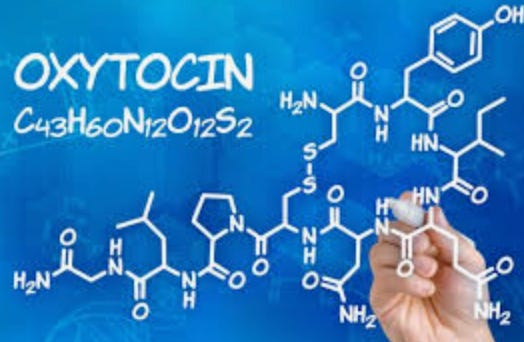
In 1953, Vincent du Vigneaud synthesized oxytocin, becoming the first person to create a polypeptide hormone in the laboratory. Two years later, he received the Nobel Prize in Chemistry for this achievement. His discovery revolutionized obstetrics, giving clinicians a powerful tool to induce and augment labor.
Seventy years later, that tool has become the most dangerous drug on labor and delivery.
Today, over 1/3 of patients get induced, usually with oxytocin. In 1950 prior to Dr. du Vigeaud receiving his Nobel prize, the cesarean delivery rate was around 5%, Today it’s reaching 35% or even more. Let that seep in for a second and ask yourself if cesarean deliveries are prevented when you induce or are increased?
In 2007, the Institute for Safe Medication Practices added intravenous oxytocin to its list of high-alert medications. This designation is reserved for drugs that “bear a heightened risk of causing significant patient harm when they are used in error.” Oxytocin joined a list of only 12 such drugs. The package insert warns of “permanent CNS or brain damage” and “fetal death.”
Seventeen years later, we’re still debating when to turn it off.
What follows are the exact numbers, questions, and steps that turn you from a passive patient into an informed advocate for your own health. This is the information your provider should be sharing with you. Subscribe to ObGyn Intelligence and get the evidence that matters.
