
The Fragile Hours
Why the first 24–48 hours after birth matter more than most people realize

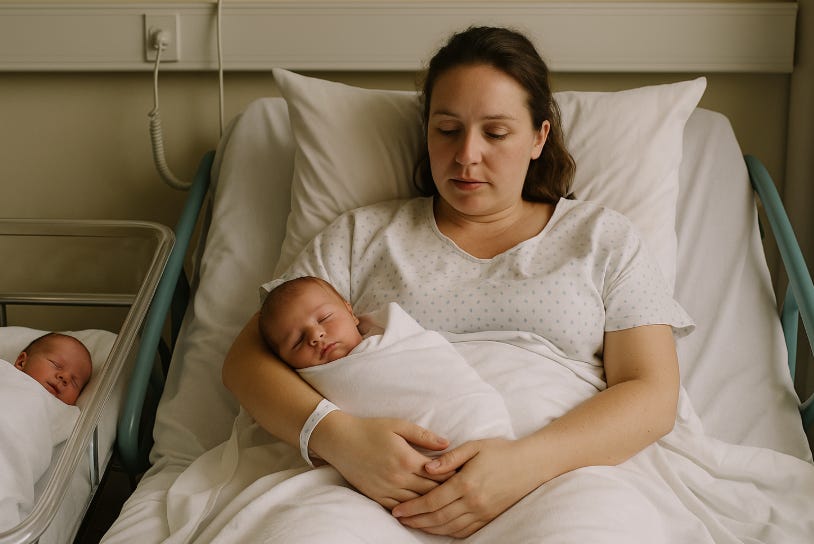
A few years ago, I delivered a healthy baby for a woman whose pregnancy and labor had gone smoothly. The birth itself was unremarkable in the best possible sense—no complications, no drama. Thirty minutes later, however, everything changed. The mother suddenly became short of breath, her oxygen levels dropping. We quickly mobilized, provided respiratory support, and stabilized her. She did well in the end, but the episode was a sharp reminder: the period after delivery, extending into the first 24–48 hours, is far more fragile than most people realize.
The Illusion of Safety After Birth
To most families, the moment the baby emerges feels like the finish line. Relief floods the room—labor is over, the newborn is here, and the ordeal is done. But for obstetricians, midwives, and nurses, this is precisely when vigilance must continue.
The first two days after birth represent a time of profound adjustment. The uterus must contract and stay firm to prevent bleeding. The cardiovascular system recalibrates after nine months of pregnancy and the sudden loss of placental circulation. Hormones surge, shaping both lactation and recovery. For the newborn, the transition to independent breathing, circulation, and feeding is equally dramatic. These are not quiet hours—they are a storm of physiological change.
Maternal Risks in the First 24–48 Hours
Even after a normal birth, complications can appear quickly. Postpartum hemorrhage often strikes within the first 24 hours, and it remains a leading cause of maternal mortality worldwide. Hypertensive disorders such as preeclampsia can flare after delivery, sometimes causing seizures or strokes in mothers who seemed fine just hours earlier. Breathing difficulties from pulmonary embolism or fluid overload may develop suddenly, and infections may announce themselves only with a low-grade fever or subtle fatigue. Each of these complications demands prompt recognition and immediate intervention.
Neonatal Vulnerability
Babies, too, face their own precarious journey. A newborn who breathes well at birth may struggle later, especially if born slightly premature. Temperature regulation is fragile, and without proper skin-to-skin contact or careful swaddling, hypothermia can develop quickly. Blood sugar levels may fall, particularly in babies of diabetic mothers, and without timely feeding or monitoring this can cause lasting harm. Jaundice, though often mild, frequently emerges in the first 48 hours and can escalate if unnoticed. What looks like a sleepy newborn may, in fact, be an infant in distress.
Why Families Rarely Hear This
Childbirth education tends to focus on labor and delivery itself—the pain of contractions, the decision about an epidural, the possibility of cesarean birth. Families prepare for those challenges and believe the hardest part ends with the baby’s arrival. Yet many of the most dangerous complications unfold after delivery, when vigilance may seem less urgent. Understanding that the first 24–48 hours are a time of heightened risk does not diminish the joy of birth; it prepares families to embrace both celebration and caution.
The Balance Between Calm and Caution
Clinicians face the delicate challenge of encouraging bonding, photos, and first embraces while quietly keeping watch. Nurses and doctors check bleeding, measure vital signs, listen to lungs, and observe breathing patterns—all while keeping the atmosphere calm. When done well, families barely notice the surveillance, remembering only the beauty of those first hours. That is the paradox of obstetric safety: our most important work is often invisible.
Designing for Safety
Hospitals that take this period seriously establish clear protocols. Mothers are monitored frequently in the first hours, blood loss is measured rather than estimated, and newborns are assessed repeatedly for breathing, temperature, feeding, and glucose stability. Discharge instructions highlight what to watch for at home, since not all complications emerge before families leave the hospital. Systems designed with vigilance in mind transform a fragile period into a safer one.
Returning to the Vignette
The woman who developed shortness of breath after her seemingly uneventful birth recovered fully, but only because her complication was recognized quickly and managed without delay. What looked like a routine delivery was, in reality, a reminder that no delivery is routine until both mother and child are well beyond those first two days.
Closing Reflection
Birth is both an ending and a beginning. Families naturally turn their focus to the joy of holding their baby, and rightly so. Yet the responsibility of clinicians is to guard those fragile hours and ensure that joy is not overshadowed by preventable tragedy.
The first 24–48 hours after birth matter more than most people realize. They are the time when bodies recalibrate, when hidden risks may surface, and when vigilance saves lives. Respecting these hours is the surest way to let families remember them as nothing more than the start of a new life together.