
Prenatal Cannabis Use Is Not Neutral
What the Evidence Shows, and What Clinicians Owe Patients

What Is Cannabis
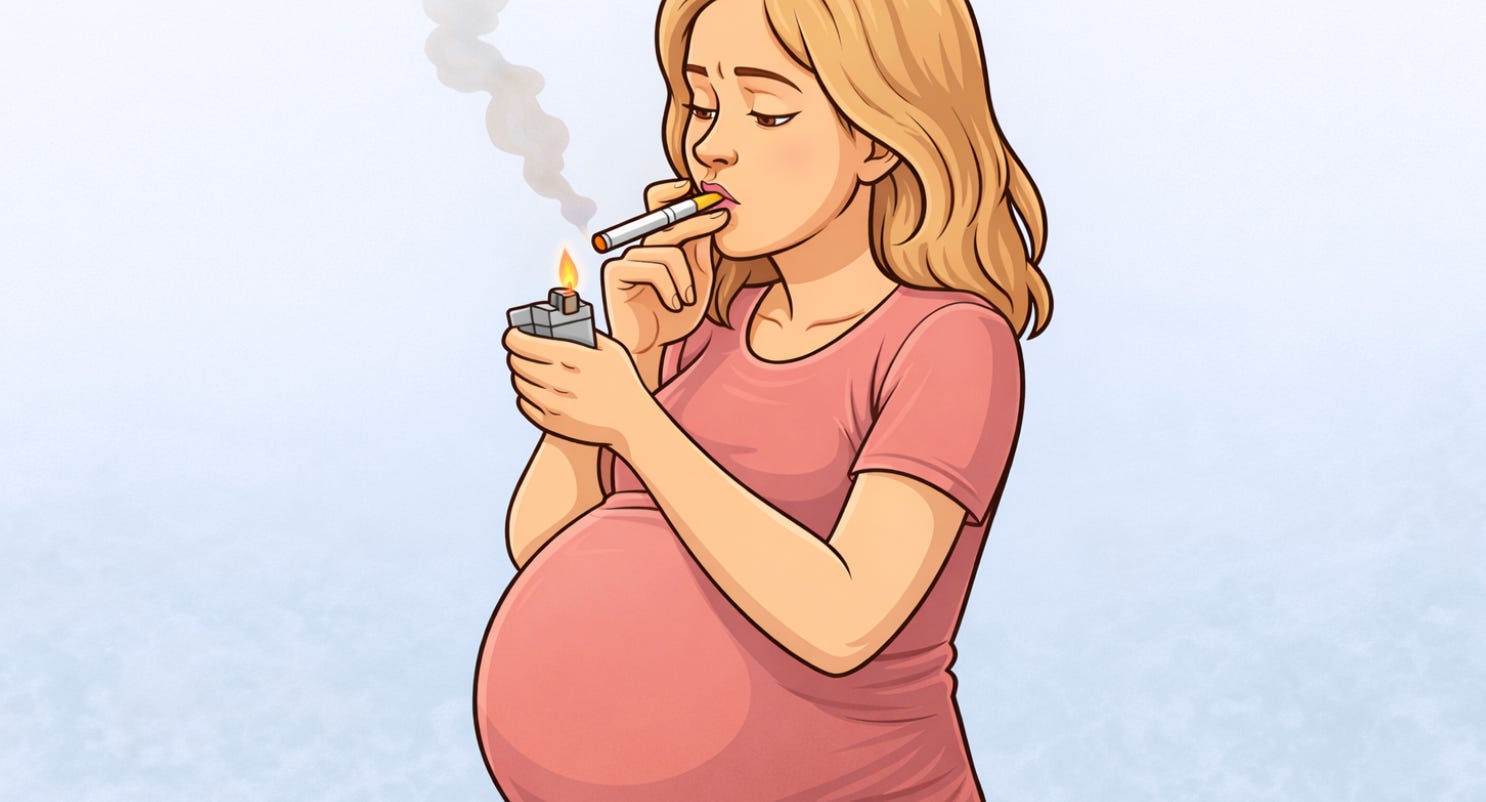
Cannabis (aka Marijuana) refers to products derived from the Cannabis sativa plant. The two best-known active compounds are delta-9-tetrahydrocannabinol (THC), which produces psychoactive effects, and cannabidiol (CBD), which does not cause intoxication but has central nervous system activity. Modern cannabis products are not a single substance. They include smoked or vaporized plant material, oils, concentrates, edibles, and synthetic or semi-synthetic formulations with highly variable THC concentrations, often far higher than in past decades. Cannabis is produced through cultivation, harvesting, drying, and chemical extraction processes that can concentrate cannabinoids many-fold. In the United States, recreational cannabis is legal in more than half of states and medical cannabis in many others, while remaining illegal at the federal level. This legal patchwork has created widespread availability, commercial marketing, and a growing perception that cannabis is safe, natural, and interchangeable with regulated medications. In pregnancy, that normalization now echoes how cigarette smoking was once viewed before evidence forced a reckoning.
Prenatal cannabis use means exposure to marijuana during pregnancy, whether smoked, vaped, or ingested. As cannabis legalization expands, many pregnant women are told or assume that marijuana is harmless, natural, or safer than other substances. A recent large systematic review and meta-analysis forces us to confront whether that reassurance is supported by evidence.
Why this question matters now
Cannabis use in pregnancy is rising. Dispensaries market products for nausea, anxiety, and sleep. Social media portrays cannabis as benign. Some clinicians, uncomfortable with incomplete data, offer neutral or permissive counseling. This creates a dangerous gap between cultural comfort and medical responsibility.
Pregnancy is not the setting where we default to benefit of the doubt. It is the setting where we act under uncertainty to prevent avoidable harm.
What the new evidence examined
The systematic review and meta-analysis published in JAMA Pediatrics evaluated prenatal cannabis exposure and neonatal outcomes across a large number of observational studies. Outcomes included low birth weight, preterm birth, small for gestational age, and neonatal intensive care admission. Many studies adjusted for tobacco use and other confounders, although residual confounding cannot be fully eliminated.
This matters because no single study drives the conclusions. The findings reflect a consistent pattern across populations and designs.
What the evidence shows
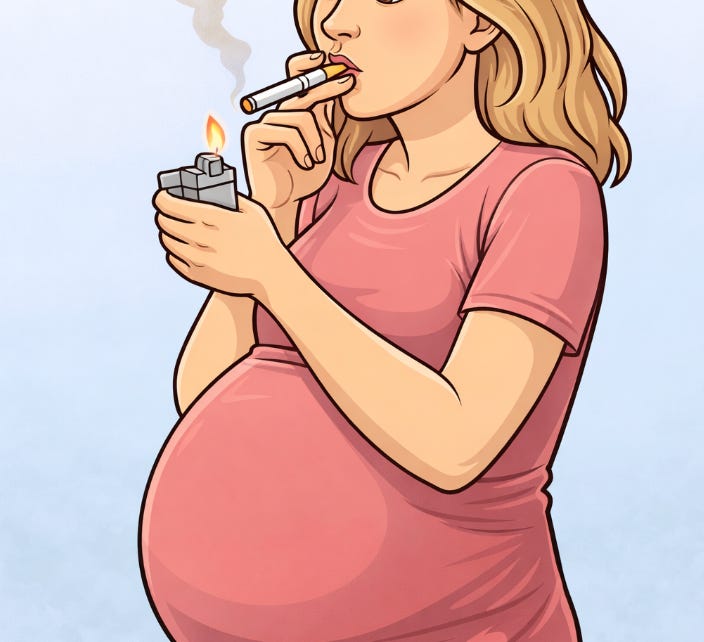
Across pooled analyses, prenatal cannabis exposure was associated with increased risk of:
Low birth weight
Preterm birth
Small for gestational age infants
NICU admission
These associations were directionally consistent. Sensitivity analyses did not reverse the signal. The findings do not depend on one dataset or one methodological choice
.What the evidence does not show
This literature does not prove causation. Observational studies cannot do that. Social determinants, co-use of substances, and reporting bias remain real limitations.
But here is the ethical mistake that often follows: treating “not proven causal” as “probably safe.”
In obstetrics, we do not require certainty to recommend avoidance when exposure is discretionary and fetal risk is plausible.
A comparison worth making
If a medication had no proven benefit in pregnancy and showed consistent associations with low birth weight and preterm birth across multiple studies, no clinician would describe it as low risk. No guideline committee would remain neutral.
Cannabis should not be held to a lower evidentiary standard because it is legal or popular.
Counseling is not judgment
Some clinicians worry that discouraging cannabis use sounds moralizing. That is a category error.
Nonjudgmental counseling does not mean neutral counseling. It means presenting evidence clearly, acknowledging uncertainty honestly, and making professional recommendations.
A responsible counseling statement sounds like this:
“The best available evidence shows higher rates of preterm birth and low birth weight with cannabis use in pregnancy. We cannot prove causation, but we cannot call it safe. Because there is no fetal benefit, avoidance is the safest recommendation.”
That is informed consent, not stigma.
What about nausea, anxiety, or sleep
Patients often report cannabis use for symptom relief. Empathy is appropriate. Endorsement is not.
When safer, studied alternatives exist, clinicians should offer them. Short-term maternal relief cannot override potential fetal harm without evidence. Pregnancy has always required that balance.
The professional responsibility issue
When clinicians minimize risk without evidence, they are not empowering patients. They are abandoning their role.
If harm occurs later, the medical record will not reflect cultural normalization. It will reflect what the clinician said.
Professional responsibility means naming risk proportionally and acting preventively under uncertainty. That is how obstetrics protects patients before harm becomes obvious.
What clinicians should take away
Do not describe cannabis as benign in pregnancy
Do not equate lack of causation with safety
State clearly that adverse neonatal associations exist
Emphasize that avoidance is the safest course
Offer evidence-based alternatives for symptoms
This is not about fear. It is about accuracy.
Closing reflection
Obstetrics has a long history of exposures that were normalized until evidence forced a reckoning. Tobacco was once routine. Lead was once ignored.
Cannabis may not belong in that category. But current evidence does not allow us to declare it safe. When benefit is optional and risk is plausible, preventive ethics demands restraint.
The ethical question is simple: do we wait for certainty, or do we protect first?