
Pregnancy Taboos, Part 2: Forbidden Foods
Food taboos in pregnancy are among the most deeply held beliefs, shaping what women eat—or avoid—for nine months. Some have kernels of truth; others deny women vital nutrition.

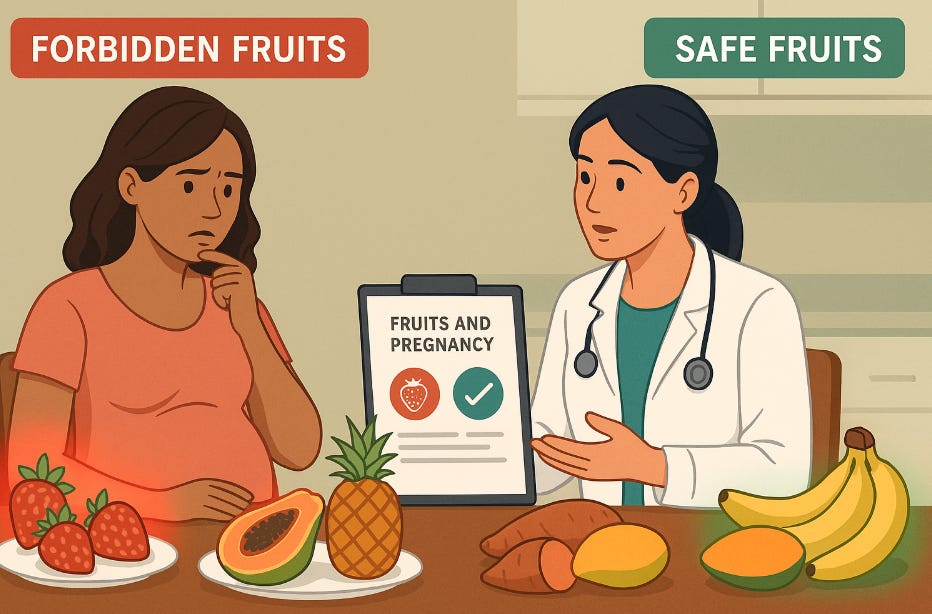
“Don’t eat strawberries—you’ll give your baby a birthmark.”
“Stay away from papaya—it will cause a miscarriage.”
I hear these warnings from patients around the world. Food taboos in pregnancy are among the most deeply held beliefs, shaping what women eat—or avoid—for nine months. Some have kernels of truth; others deny women vital nutrition. Let’s examine 15 of them with both cultural respect and scientific clarity.
15 Food-Related Pregnancy Taboos
1. Strawberries and Red Fruits
Belief: Eating strawberries causes red birthmarks.
Science: Birthmarks such as strawberry hemangiomas arise from localized vascular growths during embryonic development, not maternal diet. No scientific study has ever shown a link between strawberries and birthmarks. The idea reflects the “doctrine of signatures”—an ancient belief that foods resembling body parts influence them. Ironically, strawberries are rich in folate and vitamin C, both important for preventing neural tube defects and supporting collagen development in pregnancy.
2. Papaya
Belief: Causes miscarriage.
Science: This taboo has partial grounding in biology. Unripe papaya contains latex with papain and other enzymes that can stimulate uterine contractions in animal models. Case reports describe miscarriage in women consuming large amounts of raw papaya in certain Asian regions. However, ripe papaya lacks these compounds and is safe, nutritious, and beneficial for digestion. The problem is that the entire fruit became stigmatized, depriving many women of a healthy food source.
3. Pineapple
Belief: Induces labor.
Science: Pineapple contains bromelain, an enzyme capable of softening proteins. In theory, bromelain could affect the cervix, but the concentration in fresh pineapple is too low to have any clinical effect. Studies show no association between pineapple consumption and miscarriage or preterm labor. At most, excessive intake can cause heartburn due to its acidity. Still, this taboo persists because it offers a symbolic sense of control over labor—something women often lack.
4. Yams
Belief: Eating yams causes twins.
Science: This belief originates in Nigeria, where twinning rates are unusually high among women consuming large amounts of wild yam. Some yams contain phytoestrogens that may influence ovulation, potentially increasing multiple ovulation. However, evidence is circumstantial; other genetic and environmental factors play major roles. Ordinary sweet potatoes or commercial yams eaten elsewhere have no proven link to twinning. The association, though unproven, continues to fascinate scientists and anthropologists alike.
5. Bananas
Belief: Make babies too large.
Science: Macrosomia is primarily influenced by maternal diabetes, obesity, and genetics—not bananas. While bananas are energy-dense, a normal serving provides potassium, vitamin B6, and fiber, which help regulate blood pressure and digestion. No studies connect banana consumption to oversized infants. The taboo probably arose from noticing that carbohydrate-rich diets are linked to larger babies, but it unfairly blames one safe fruit instead of broader metabolic factors.
6. Watermelon
Belief: “Washes out” nutrients and makes babies weak.
Science: Watermelon is 92% water but also provides vitamins A and C, magnesium, and lycopene. Far from “washing away” nutrients, watermelon hydrates and may relieve swelling and leg cramps during pregnancy. A randomized trial even suggested watermelon juice may reduce preeclampsia risk by lowering blood pressure. The taboo reflects cultural suspicion of foods with high water content, but scientifically, watermelon is safe and beneficial.
7. Grapes
Belief: Considered a “hot” food that harms the fetus.
Science: Grapes are rich in antioxidants, resveratrol, and polyphenols. In animal studies, high doses of resveratrol caused pancreatic problems in offspring, but no human study supports harm at dietary levels. Grapes are safe in moderation and contribute to cardiovascular health. The idea of “hot” and “cold” foods comes from traditional Chinese and Ayurvedic medicine, reflecting symbolic balance rather than evidence-based risk.
8. Citrus Fruits
Belief: Cause colds or coughs in the baby.
Science: No mechanism links citrus consumption with respiratory illness in infants. In fact, citrus fruits are one of the best sources of vitamin C, which aids collagen synthesis and supports maternal immunity. Studies link adequate vitamin C to reduced risk of preterm rupture of membranes. This taboo likely arose from the irritating effect citrus juice can have on sore throats, generalized into an imagined risk for the fetus.
9. Mangoes
Belief: Too many mangoes cause newborn jaundice.
Science: Neonatal jaundice results from immature bilirubin metabolism and red blood cell turnover—not maternal fruit intake. Mangoes are high in beta-carotene, which can impart a temporary yellowish skin tone if consumed in extreme amounts, but this is harmless and not related to bilirubin. On the contrary, mangoes provide vitamin A precursors essential for fetal eye and immune development.
10. Apples
Belief: Apples predispose babies to asthma or allergies.
Science: Evidence suggests the opposite. A cohort study in the UK (Willers et al., Thorax 2007) found that higher maternal apple intake was associated with lower risks of childhood wheeze and asthma. Apples provide flavonoids and fiber beneficial for maternal and child health. This taboo may stem from the apple’s association with forbidden knowledge and danger in mythology rather than any medical concern.
11. Pomegranates
Belief: Seeds cause infertility in children.
Science: No evidence supports this claim. In fact, pomegranate juice has been studied for its antioxidant and anti-inflammatory properties in pregnancy, with some evidence suggesting improved placental blood flow in cases of growth restriction. Far from harming, pomegranates may offer protective benefits. This taboo reflects symbolic fears about seeds and fertility rather than biology.
12. Coconut
Belief: Coconut water makes babies weak or overly fair-skinned.
Science: Coconut water contains electrolytes, potassium, and glucose. It is a healthy hydration option in pregnancy, comparable to sports drinks but natural. It has no effect on fetal strength or pigmentation. This taboo reflects cultural associations between coconut water’s color and the desired or feared traits in newborns, not medical fact.
13. Honey
Belief: Harms the fetus.
Science: Infants under one year should not consume honey because of botulinum spores, which their immature guts cannot neutralize. However, the adult digestive system destroys spores, and no pathway exists for spores to cross the placenta. Honey is safe for pregnant women. This taboo results from confusing neonatal guidance with maternal restrictions.
14. Cravings
Belief: Ignoring a craving will “mark” the baby (e.g., strawberry craving → strawberry birthmark).
Science: Cravings are extremely common in pregnancy, affecting up to 90% of women. They are likely due to hormonal shifts, cultural expectation, and sometimes nutrient needs. No scientific evidence connects cravings to physical marks on infants. What matters is whether cravings drive unhealthy choices (e.g., excess sugar), not whether they’re indulged or ignored.
15. Eating One Food Too Much
Belief: Excessive consumption of one fruit creates imbalance or harm.
Science: Overconsumption of any single food can displace variety in the diet, but no fruit on its own has been shown to cause congenital problems. Balanced nutrition matters more than avoiding particular foods. Diets high in variety and fresh produce consistently correlate with better pregnancy outcomes across populations.
What These Food Taboos Reveal
Food taboos reflect attempts to impose order and control over an unpredictable process. In some cases—like raw papaya—they had protective value. In most, they deprived women of safe, nutritious foods. The result is a landscape where women may carry guilt for eating the “wrong” fruit instead of receiving reassurance.
The Ethical Dilemma
Clinicians must navigate cultural respect and medical truth. We cannot simply dismiss beliefs; nor can we allow nutritional harm to persist. The right approach is to acknowledge meaning, share evidence, and reframe choices in a supportive way. For example: “Yes, unripe papaya may cause problems, but ripe papaya is safe and nourishing.”
Reflection
Pregnancy food taboos remind us that diet is never just nutrition; it is culture, identity, and morality woven together. The physician’s role is not to strip culture away but to preserve the protective wisdom while gently discarding the superstition. The question is: when is saying ‘no’ protective, and when is it a needless barrier to maternal health?
🔗 LinkedIn tagline:
From strawberries to papaya, food taboos in pregnancy persist worldwide. Some protect, some deprive, and some simply control. Here’s the science behind 15 of them.
Hashtags:
#Obstetrics #PregnancyTaboos #MaternalNutrition #MedicalEthics #WomensHealth #ObstetricIntelligence #EvidenceBased