
MedMal Room: Prolonged Second Stage Is Not an Accident
Why every labor unit must own clear limits, shared vigilance, and mandatory escalation

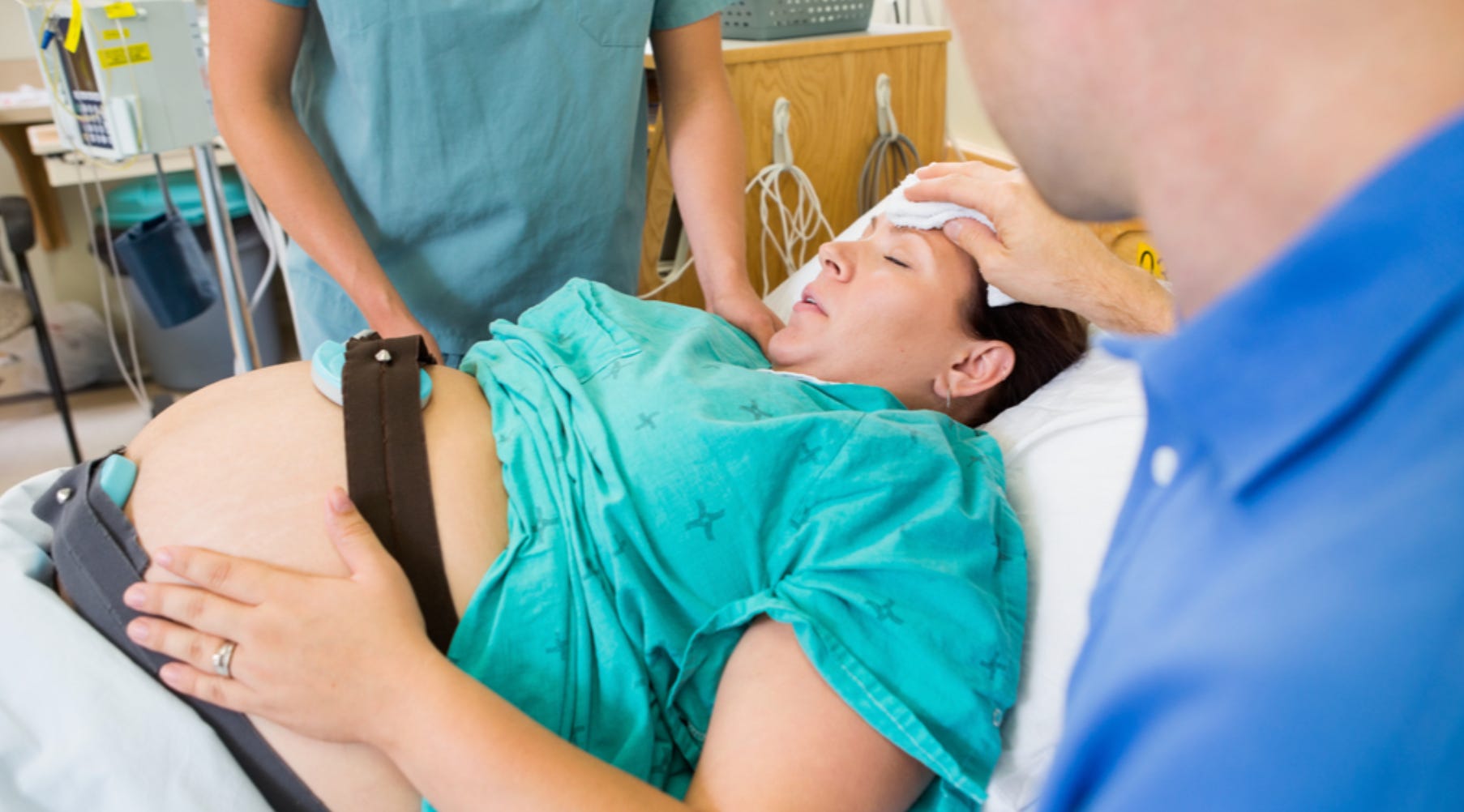
The case, briefly and directly
In March 2025, a Missouri jury awarded $48.1 million after a baby sustained permanent brain injury following more than 12 hours of pushing during the second stage of labor at Mercy Hospital. Despite abnormal fetal heart rate patterns, a cesarean delivery was not performed until very late. The infant developed seizures within 24 hours and was later diagnosed with cerebral palsy. Punitive damages made up a substantial portion of the verdict.
This was not a rare obstetric catastrophe. It was a failure of systems, boundaries, and shared responsibility.
Standard of Care
The standard of care in this setting requires explicit time based management of the second stage of labor. For nulliparous women, pushing beyond 3 hours without neuraxial anesthesia or 4 hours with neuraxial anesthesia constitutes a prolonged second stage. For multiparous women, pushing beyond 2 hours without neuraxial anesthesia or 3 hours with neuraxial anesthesia meets the same threshold. Once these limits are reached, the standard of care requires senior obstetric reassessment, documentation of fetal descent and station, review of cardiotocography for evolving or persistent abnormalities, and a clear plan with defined time limits.
