
January 1, Circumcision, and the Ethics of a Small Cut With Big Meaning
A medical procedure, a religious covenant, and a decision that still challenges families today

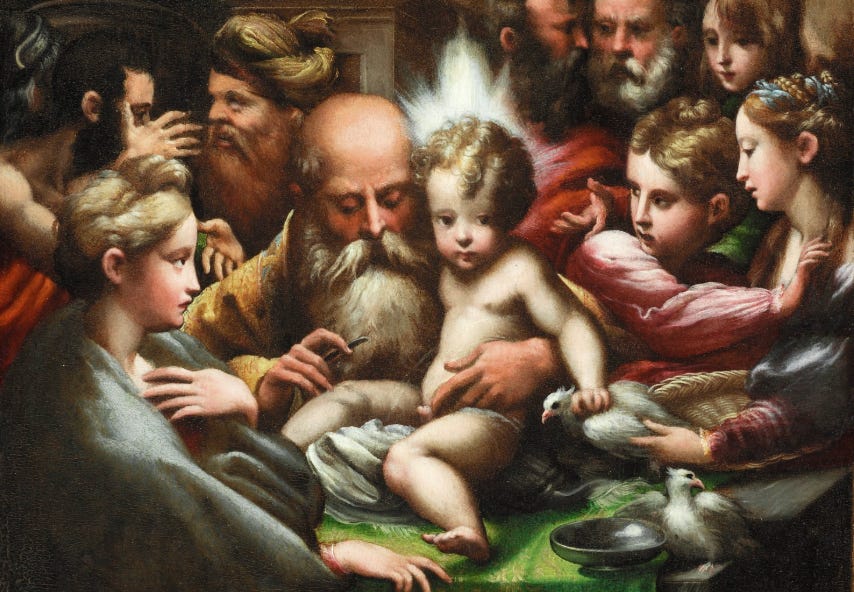
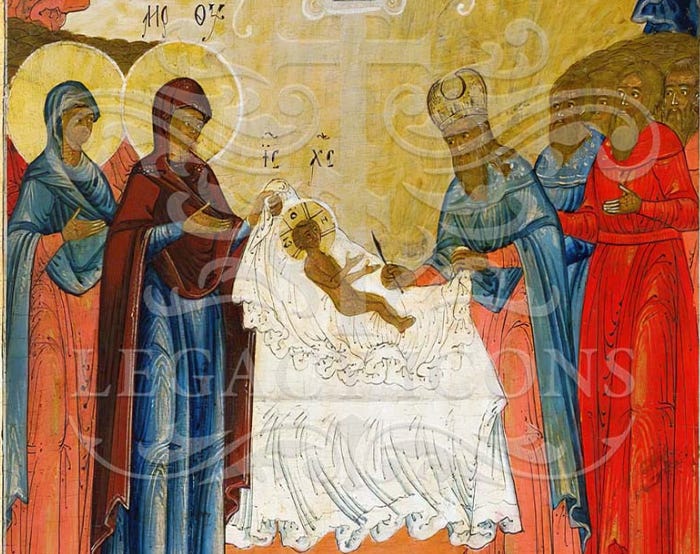
January 1 marks the Feast of the Circumcision of Christ, observed eight days after the birth of Jesus Christ. It is a reminder that circumcision is not a modern medical invention. It is an ancient practice that sits at the intersection of faith, culture, medicine, and ethics.
That intersection is where many parents still find themselves today.
What circumcision is, and who traditionally performs it
Circumcision is the surgical removal of the foreskin of the penis. Historically, it has been practiced for thousands of years.
In Judaism, circumcision, the brit milah, is a covenantal ritual performed on the eighth day of life, traditionally by a trained mohel, often with a physician present in modern settings. It is not optional within traditional Jewish law. It is an identity-defining act.
In Islam, circumcision is widely practiced, usually in childhood, though timing and ritual vary across cultures. It is considered a religious obligation by most Islamic scholars.
In Christianity, circumcision lost its religious mandate after the early church debated whether Gentile converts needed to follow Jewish law. The Feast of the Circumcision commemorates Christ’s circumcision as fulfillment of Jewish law, not as a directive for Christian practice.
In contemporary medicine, circumcision is typically performed by physicians, most often neonatologists, pediatricians, obstetricians, or urologists, using standardized surgical techniques and local anesthesia
Being the Only One, and What That Taught Me About Difference
Growing up in Germany in the 60’s, I was the only circumcised boy among roughly seven hundred students at an all-boys school, a “Gymnasium”. In the communal showers, this difference was sometimes noticed. It drew the occasional glance or awkward question, but it was never a real problem. It did not define friendships, status, or belonging. It was simply one physical difference among many.
Years later, one of my classmates developed a medical condition that required circumcision (“Phimosis”: a condition in which the foreskin cannot be fully retracted over the glans penis, which can be normal in young boys but pathologic in adolescents or adults when it causes symptoms, infections, or urinary problems.”). He was anxious, unsure what to expect, and clearly embarrassed. I was the only one he knew who had this done. While hospitalized, he asked if I would show him what circumcision actually looked like. He wanted to understand, practically and concretely, what was about to happen to his own body. He asked questions about pain, healing, and whether life afterward felt different.
I remember being struck by the moment, and it stayed with me for now over 55 years. What had once marked me as different now made me useful. Not as an authority, but as a reference point. The conversation was quiet, direct, and oddly reassuring for him. There was no drama, no judgment, and no lasting impact on how either of us saw the other.
That experience stayed with me. It taught me that difference does not have to become stigma, and that honest, calm explanation often matters more than ideology or fear.
The Identification
My father once told me that when he was in Dachau, circumcision was used by the Nazis as a crude tool of identification. Men were forced to expose their bodies, and a physical marker rooted in faith and tradition became a reason for humiliation, punishment, or worse. Circumcision, which for generations had symbolized belonging and covenant, was twisted into a mechanism of persecution. That story stayed with me as a stark reminder of how medicine, bodies, and identity can be weaponized when ethics collapse and power replaces humanity.
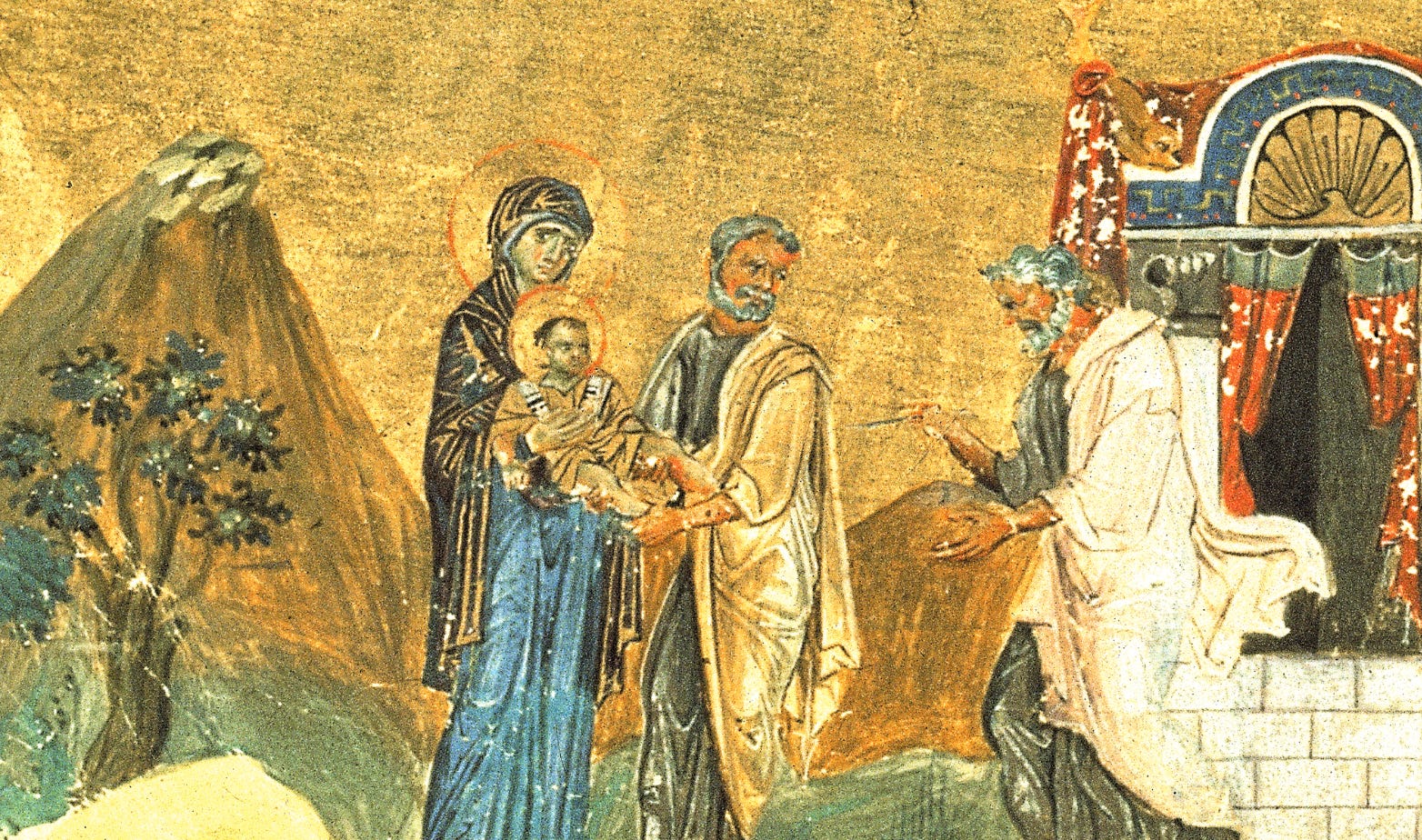
What the evidence says, and what it does not
Medical evidence on circumcision is neither uniformly glowing nor dismissive. It is nuanced, context-dependent, and often misunderstood.
Potential benefits supported by evidence include:
Reduced risk of urinary tract infections in infancy, though the absolute risk is already low.
Lower rates of some sexually transmitted infections, including HIV, particularly demonstrated in adult male circumcision trials in high-prevalence settings.
Reduced risk of penile cancer, a rare disease.
Lower rates of certain inflammatory foreskin conditions.
Potential risks include:
Pain if not properly managed, which is preventable with appropriate anesthesia.
Bleeding or infection, which are uncommon when the procedure is performed by trained clinicians in sterile settings.
Rare surgical complications.
What is often missed is this. Most of the strongest public health data supporting circumcision come from adult circumcision in high HIV-prevalence regions. Extrapolating that data directly to newborns in low-prevalence, high-resource countries is not straightforward.
Circumcision is therefore not a medical emergency, not medically required for most newborns, and not medically prohibited. It sits in a gray zone of elective preventive intervention, where benefit exists but is probabilistic rather than guaranteed.
Jewish Circumcision (Brit Milah)
Jewish ritual circumcision is performed on the 8th day of life, as commanded in Genesis 17:12—this timing is obligatory and takes precedence even over Shabbat. The procedure is traditionally performed by a mohel, a trained ritual circumciser, though physician-mohels are increasingly common. The only acceptable reason for delay is medical concern for the infant’s health; once cleared, the brit milah proceeds on the next available day. The ceremony includes specific blessings and ritually names the child. The 8th day requirement is absolute in traditional practice—earlier is never permitted, and later only for documented medical necessity.
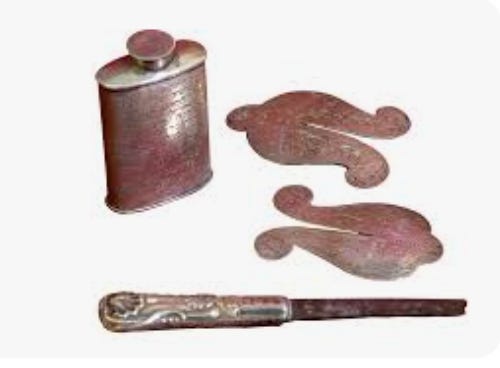
Muslim Circumcision (Khitan)
Islamic circumcision has no fixed day specified in the Quran; it derives from Sunnah (prophetic tradition) and is considered either obligatory or strongly recommended depending on the school of jurisprudence (Shafi’i and Hanbali consider it obligatory; Hanafi and Maliki consider it recommended). Timing is flexible—commonly performed on the 7th day, but may be done anytime from birth through pre-puberty. Many Muslim families opt for hospital circumcision at birth or shortly after for practical reasons. Unlike brit milah, there is no required religious officiant; a physician typically performs the procedure, and while prayers may accompany it, there is no standardized ceremony equivalent to the Jewish ritual.
European Legislative Attempts
In 2012, a Cologne court ruled that religious circumcision constituted criminal bodily harm, triggering immediate backlash from Jewish and Muslim communities who noted—pointedly—that Germany of all places should hesitate before outlawing a defining Jewish practice. The Bundestag quickly passed legislation explicitly protecting religious circumcision when performed by trained practitioners. Scandinavian countries have flirted with similar bans: Iceland introduced a bill in 2018 that would have criminalized the practice, and Danish medical associations and politicians have repeatedly proposed age-18 minimums, though none have passed. Sweden requires circumcisions be performed by licensed medical personnel with anesthesia. Proponents frame these efforts as child rights and bodily autonomy; opponents note the uncomfortable historical resonance of European states banning Jewish religious practices, and the practical effect of telling two religious minorities they are no longer welcome to raise children according to their traditions. The debates remain unresolved, with bills periodically introduced and quietly shelved after international pressure.
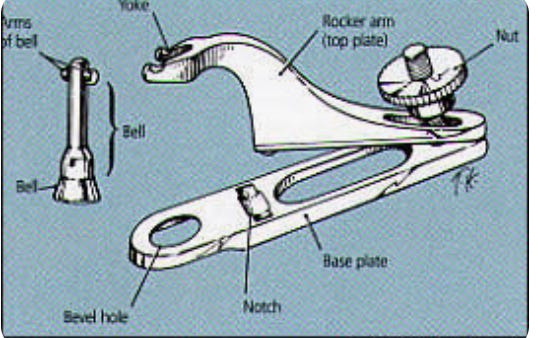
Why this decision is ethically complex
For some families, there is no ethical dilemma at all. Religious obligation answers the question fully.
For others, especially secular families, the decision can feel heavy. Parents are asked to consent to an irreversible procedure on behalf of a child who cannot decide for himself.
The ethical tension often centers on three competing principles:
Parental authority. Parents are expected, and legally empowered, to make medical decisions they believe are in the best interest of their child.
Child autonomy. Critics argue that non-therapeutic circumcision should be deferred until the individual can decide for himself.
Risk and benefit. The procedure has small but real risks and potential long-term benefits that are uncertain at the individual level.
There is no ethical shortcut through this terrain. Framing circumcision as either obvious harm or obvious benefit oversimplifies reality
.The mistake clinicians often make
Clinicians sometimes try to escape discomfort by minimizing the discussion.
“It’s routine.”
“It doesn’t matter much.”
“Everyone does it.”
These statements are factually weak and ethically insufficient.
Circumcision matters precisely because it combines identity, body integrity, religion, and preventive medicine. Dismissing parental concerns, on either side, erodes trust.
Ethically responsible counseling requires acknowledging uncertainty. It also requires clarity that choosing circumcision and choosing not to circumcise are both defensible positions within mainstream medicine.
For parents, this is rarely an easy decision
I have met parents who lose sleep over this choice. Some fear causing pain. Others fear future regret if they do nothing. Some worry about cultural belonging. Others worry about bodily autonomy.
What makes the decision hard is not ignorance. It is responsibility.
Parents are being asked to decide something permanent with incomplete certainty. That is not failure. That is parenting.
A more honest way forward
The ethical approach to circumcision should include:
Clear explanation of what the procedure is and how pain is managed.
Transparent discussion of known benefits and limitations of the evidence.
Explicit acknowledgment of uncertainty.
Respect for religious and cultural meaning.
Respect for parents who decline.
January 1 reminds us that circumcision has always been more than a cut. It is a symbol, a medical act, and an ethical mirror.
The goal is not to make the decision easy. It is to make it honest.
Reflection
Medicine often prefers clean answers. Circumcision resists that preference. Perhaps that is precisely why it still deserves careful thought, careful words, and careful respect.
Having done and supervised hundreds of circus and discussed this with the family, when there are no religious reasons for circa it is dependent mostly on what the father has or has not been circumcised.