
Friction - “I’m on My Way”: When Absence Becomes an Institutional Risk
What one chronically absent attending taught us about the limits of trust and the necessity of rules.

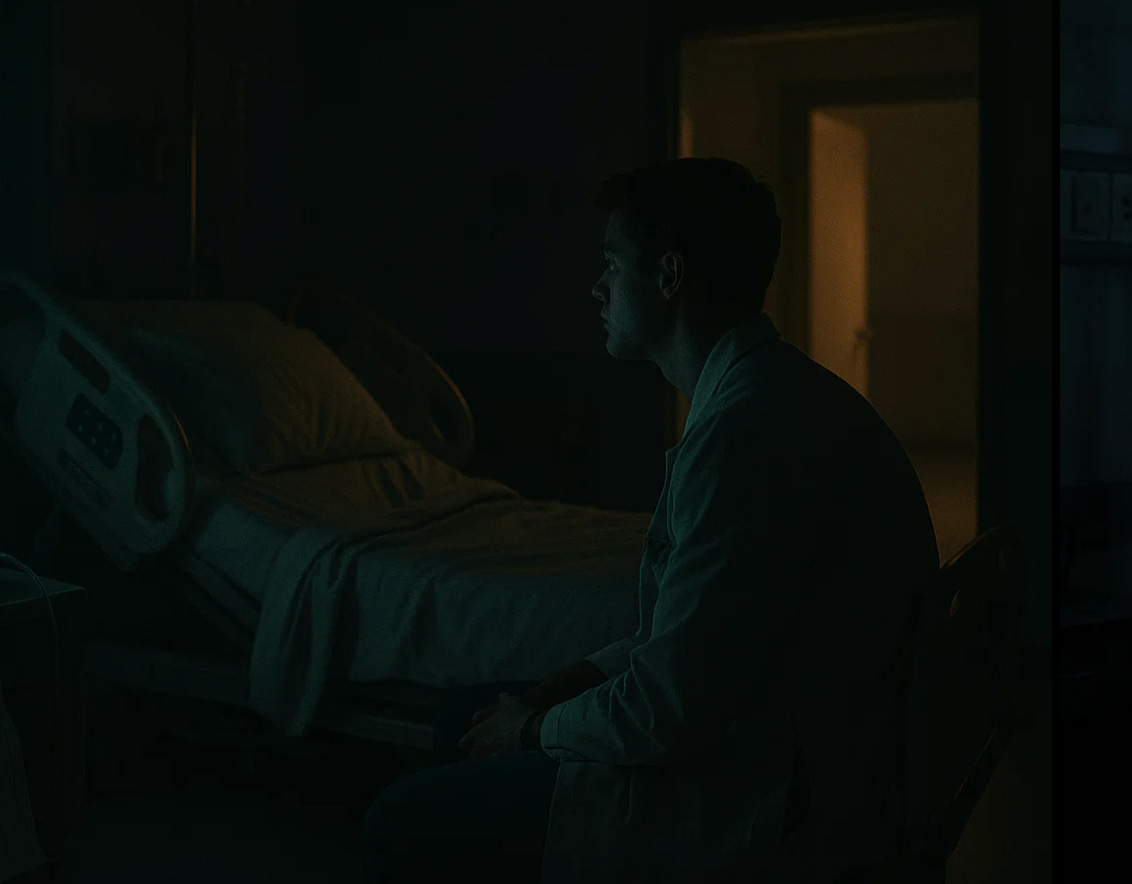
A Series: Friction: When Medical Culture Resists Patient Safety
Every hospital safety reform meets resistance—not from villains but from professionals protecting what they value most. This series explores how that resistance, when examined honestly, exposes the cultural, ethical, and structural barriers that stand between evidence and safer care.
He was one of our busiest obstetricians, respected by patients, adored by staff, and perpetually late. His residents did the exams, wrote the notes, adjusted oxytocin, and called him with updates that always ended the same way: “I’m on my way.” It became a standing joke—except that no one was laughing when a patient’s labor turned complicated before he arrived. Over time, what had started as professional courtesy hardened into systemic risk.
When I first took over the unit, the culture was permissive. Attendance in labor was treated as flexible, as if supervision could be delegated across a phone line. Residents, pressured to “keep things moving,” initiated oxytocin inductions and managed progress for hours before their attending appeared. The patients never knew the attending wasn’t present. The nurses knew, but were reluctant to escalate. The anesthesiologists assumed obstetrics was “handling it.” In truth, no one was.
The first near miss came during an induction that had been running for six hours. The patient’s contractions were strong, but the fetal heart tracing showed decelerations. The resident reduced oxytocin, called the attending, and was told once again: “I’m on my way.” Two hours later, we were in the operating room for an emergency cesarean. The baby survived, but just barely.
That was the moment we realized that “on my way” was not an acceptable professional standard. The issue wasn’t malice or indifference—it was cultural drift. We had allowed the norms of autonomy and trust to eclipse the non-negotiable realities of patient safety. Attendance was treated as optional because the rules were ambiguous. Accountability was assumed because no one had ever written it down.
So we did. We created explicit expectations: the attending had to be physically present once oxytocin was started, when labor entered the active phase, and before any operative delivery. No patient could go to the operating room without the attending present. Residents could not initiate or titrate oxytocin in the attending’s absence. These rules were not punitive; they were prophylactic. They defined responsibility in a system that had blurred its boundaries.
Predictably, the backlash came fast. “You don’t trust us.” “You’re treating us like residents.” “We can’t be in-house for every patient.” But the truth was that our prior leniency had produced risk, not collegiality. When physicians say they value autonomy, they rarely mean the right to endanger patients. They mean the right to practice responsibly within clear expectations. Once those expectations were codified, compliance improved—and so did outcomes.
Within a year, cesarean timing was more consistent, oxytocin use safer, and supervision clearer. Residents no longer carried silent anxiety about being the only doctor in the building. Nurses finally had the authority to question an absent attending. What had seemed like a bureaucratic burden turned out to be a cultural correction.
The deeper lesson was this: professionalism is not proven by freedom from oversight but by showing up when the patient needs you most. Autonomy without presence is abandonment.
Please check out the story of Dr. Ignatz Semmelweiss, examplesof which are pervasive.