
Evidence-Based Medicine: ObGyn Demystified — Home Birth Is Just as Safe as Hospital Birth? The Missing Data in the Debate
Home birth in the US is unsafe for many different reasons

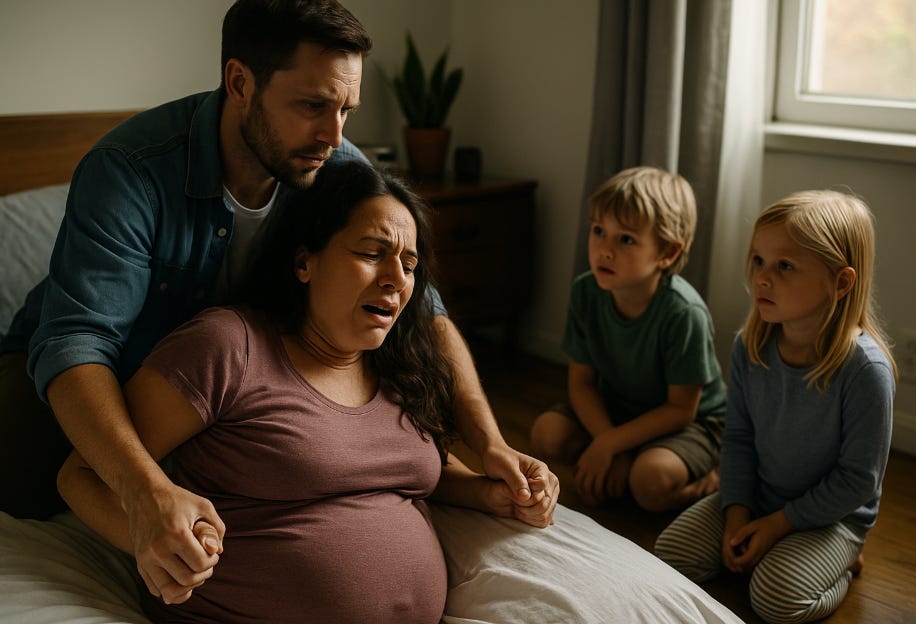
The Allure of Home Birth
The picture is seductive: a warm room, dim lights, family close by, and the promise of a birth free from the machines, interventions, and strangers that so often define hospital labor. Home birth advocates highlight empowerment, intimacy, and “natural safety.” Many women are drawn to the idea of reclaiming childbirth from what they see as medicalization.
But there’s a question hiding beneath this vision: Is home birth as safe as hospital birth? Advocates say yes, but the science paints a different and much more sobering picture.
What the Data Tell Us
Large-scale analyses of U.S. birth certificate data have compared outcomes of babies born at home with those born in hospitals. The numbers are consistent and difficult to ignore.
Babies delivered at planned home births face a 2–3 times higher risk of death compared with hospital births.
The rate of newborn seizures or serious neurologic problems is also several times higher.
For mothers, emergencies like hemorrhage or obstructed labor that are routine to manage in hospitals become life-threatening when care is delayed by the need to transfer.
It’s important to emphasize: the majority of home births go well. But when they don’t, the consequences can be catastrophic. Hospitals have teams, blood banks, operating rooms, and intensive care units. Homes do not.
The “Low-Risk” Argument
Supporters often argue that home birth is safe for “low-risk” women. In theory, this makes sense. But in practice, it is almost impossible to guarantee that a pregnancy will remain low-risk until the very end. A baby’s cord can prolapse in seconds. A mother can begin hemorrhaging without warning. Labor can stall despite perfect prenatal care.
Plus, most home births in the US are not even low risk from the onset because so called “midwives” have not protocols to eliminate risks and accept clearly contraindicate high risk pregnancies such as prior cesareans, twins, brech presentations, older moms. Midwives in Europe would lose their license if the accept these high risk home births.
In the hospital, these events trigger rapid response systems. At home, the very same emergencies require calling 911, waiting for transport, and hoping help arrives in time. Minutes matter, and those minutes can mean the difference between a healthy baby and a tragedy.
A Useful Analogy
Think about air travel. Most flights land safely, even if the plane has mechanical issues. But when something goes wrong at 35,000 feet, you want experienced pilots, ground crews, and emergency protocols. Few would argue that flying without safety systems is “just as safe” because most of the time things go well. The same logic applies to birth. Most babies arrive without crisis, but when complications occur, the setting can decide the outcome.
What Is Overlooked in the Debate
Several realities often get lost in public discussion:
U.S. midwifery is not standardized. Certified nurse-midwives are highly trained, but many home births are attended by lay midwives without formal medical credentials.
Transfer rates are high. Up to 40% of first-time mothers who begin labor at home are eventually transferred to a hospital, often under stressful circumstances. PLUS there are no transfer protocols, and women arriving in the hospital in an emergency are usually a “surprise”.
Geography matters. Studies from countries like the Netherlands, where home birth outcomes look better, cannot be applied to the U.S., which lacks a tightly integrated system of midwives, hospitals, and rapid transport.
There are no safety protocols in the US. Midwives refuse to create them increasing risks.
Lessons for Families and Clinicians
For expectant parents: It is essential to understand that “low risk” is not a guarantee. Ask about the credentials of your birth attendant, backup plans, and distance to the nearest hospital.
For clinicians: Patients choosing home birth should not be dismissed or judged. They should be counseled respectfully, with transparent presentation of risks. Condescension drives women away from medical care, while clear, evidence-based discussion fosters trust.
For policy makers: Standardizing midwifery training and improving integration between home and hospital systems could save lives. But no matter how well designed, home birth will always carry higher risks.
An Ethical Tension
The debate over home birth is not simply about statistics. It touches core ethical questions: How much risk is acceptable in the name of autonomy? Should physicians ever endorse a practice they know carries higher mortality? And how do we respect parental choice while still advocating for the safest possible outcomes for babies who cannot speak for themselves?
These are not easy questions, but they deserve honest, science-based conversation. Romanticizing home birth without acknowledging its dangers does a disservice to mothers, babies, and families who deserve the truth.
Closing Reflection
Childbirth is not an illness, but it is not risk-free either. Nature has never promised safety. Hospitals exist not because pregnancy is broken, but because even the most normal labor can change in an instant. When it does, the place of birth matters. The myth that home birth is “just as safe” as hospital birth is comforting, but it is not true. Families deserve more than comfort; they deserve clarity.