
ADHD and Pregnancy: What the Evidence Actually Shows
The rise in ADHD diagnoses among women of childbearing age has created a clinical dilemma—but the science is more reassuring than many patients are told.

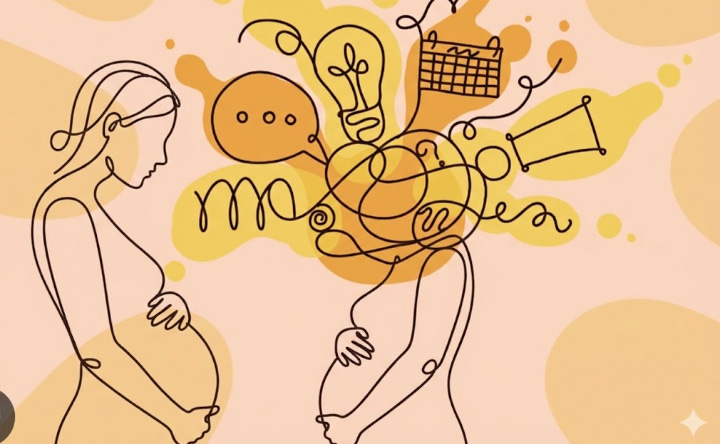
What Is ADHD?
Attention-deficit/hyperactivity disorder (ADHD) is a brain-based condition that affects how people focus, control impulses, and manage activity levels. It starts in childhood but often continues into adulthood—about 75% of girls with ADHD still have symptoms as adults. The condition affects about 3.2% of adult women and 4.4% of gender-diverse adults assigned female at birth.
Remarkably, only about 10% of adults with ADHD receive any treatment.
The condition comes in three main types:
Inattentive type: Trouble focusing, following through on tasks, organizing, and remembering things. This type is more common in women and often goes undiagnosed because it doesn’t look like the “hyper kid” stereotype.
Hyperactive-impulsive type: Restlessness, talking too much, interrupting others, and acting without thinking.
Combined type: A mix of both.
To be diagnosed with ADHD as an adult, you need at least five symptoms that have lasted six months or more. These symptoms must cause real problems in your daily life—at work, at home, or in relationships—and some must have been present before age 12.
Women often don’t get diagnosed until adulthood. Girls tend to show more inattentive symptoms rather than hyperactive ones, so their struggles may be written off as “daydreaming” or anxiety. Many women only realize they have ADHD when they seek help for depression or anxiety, or when their own child gets diagnosed.
This matters because ADHD frequently co-exists with other mental health conditions. About 10% of adults with recurrent depression or anxiety also have ADHD. And here’s the critical point: treating depression and anxiety won’t work nearly as well if the underlying ADHD isn’t also addressed.
